TRAVEL BLOGS
Kasol and the Parvati Valley: riverside days
Make a little room for Kasol and the Parvati Valley.
Planning notes from Himraahi Holiday Packages. Destination-inspired imagery, created with AI.
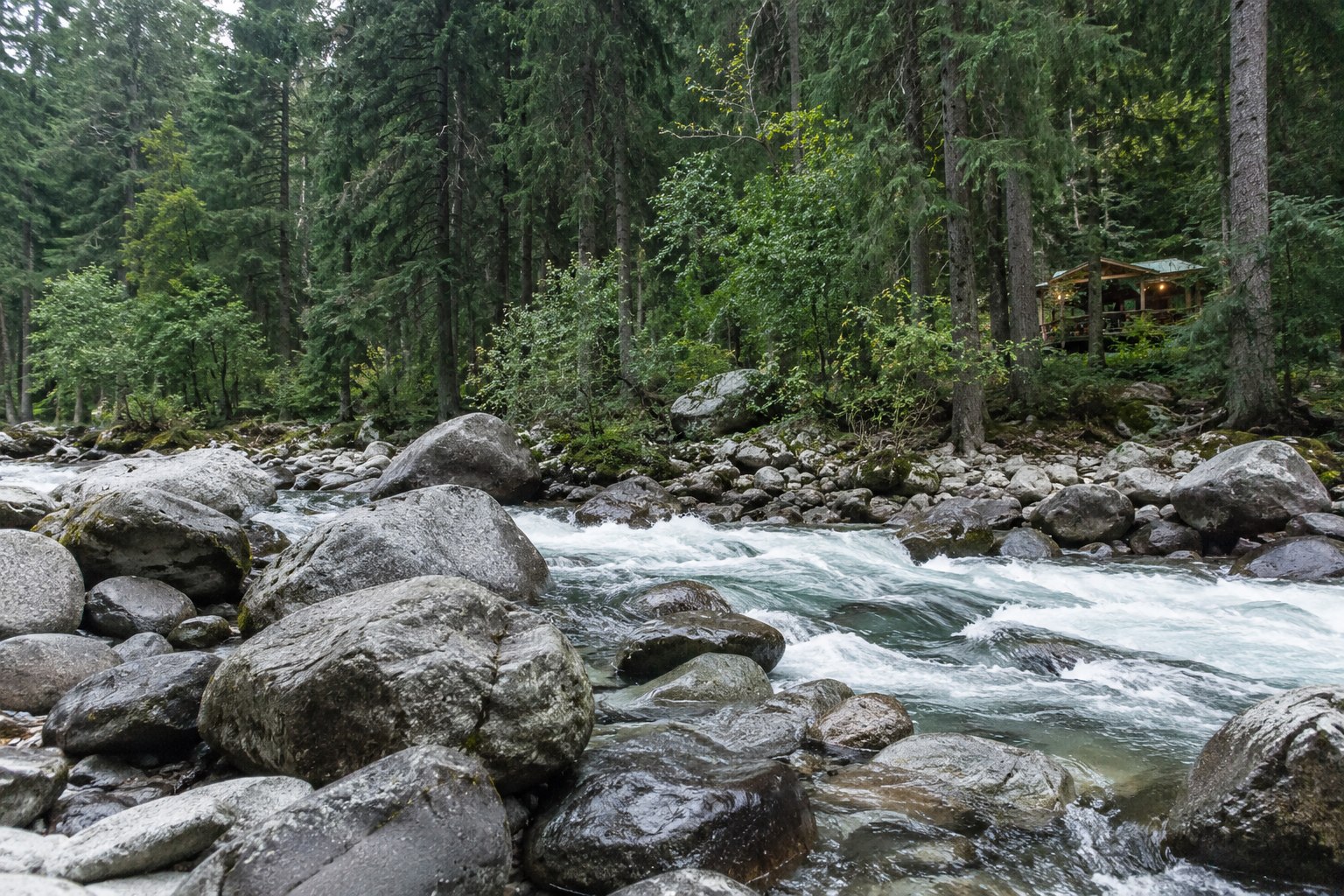
Kasol gives a Manali journey a different setting. It lies beside the Parvati River, while Manali belongs to the Beas Valley. That distinction is worth holding onto when planning a visit: the move is a chance to spend time in another valley, with its own village stops and the nearby religious setting of Manikaran.
You do not need an ambitious walking programme to give Kasol a place in the holiday. Market browsing, a café pause and a considered local outing can form a visit of their own. Begin with what you hope to enjoy there, then arrange the stay so that arriving and moving on do not consume all of it.
Chapter 01
Find your place in the Parvati Valley
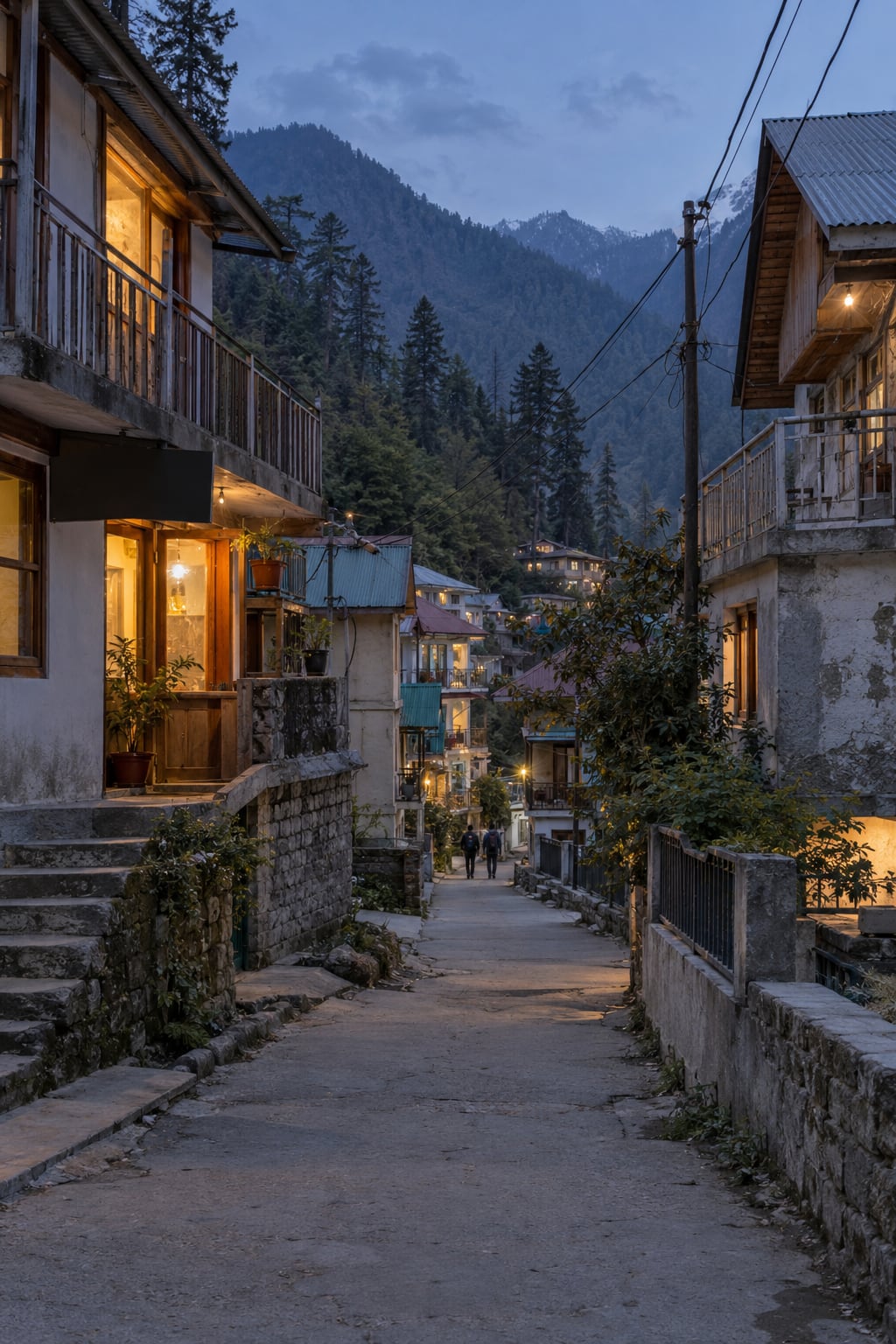
The river is the starting point for understanding Kasol's setting. Himachal Tourism describes the village along the Parvati, with accommodation and visitor businesses that have developed around it. Expect a place where local life and tourism meet, with the practical conveniences of somewhere that regularly welcomes visitors.
Keep the valley names clear when reading a route. Kullu and Manali belong to the Beas context; Kasol introduces the Parvati Valley. They may appear within one package, but the transfer is still a change of base with a departure, arrival and another place to settle into. Look at where that move falls in the trip before adding more stops around it.
Choose one reason for making the change. Perhaps you want village time, an opportunity to see Manikaran, or a different setting after Manali. Use that reason to guide the plan. There is no obligation to turn Kasol into the beginning of a trek or to collect every nearby place name. A modest stay works best when its main interest is clear.
Chapter 02
Let village time count
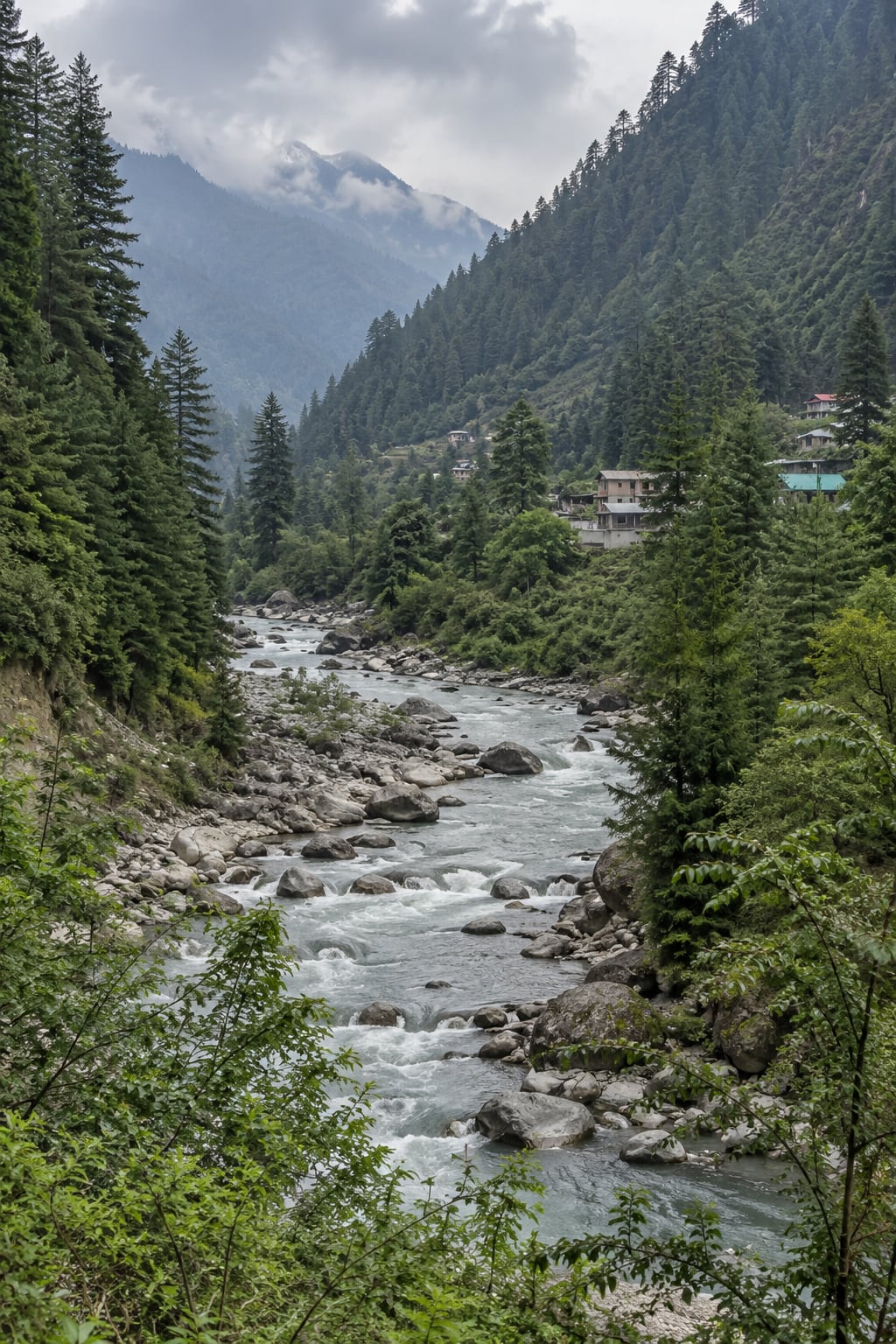
The current Manali–Kasol proposal includes time around Kasol's market and riverside setting. Treat that village time as something to enjoy in its own right. A meal, a browse through shops and a pause to decide what comes next can give an afternoon a shape without requiring a formal attraction at every stage. Keep enough flexibility for the group to make those choices together.
For a café stop, start with practical preferences: somewhere everyone can sit comfortably, food that suits the group and a location that works with the next meeting point. A river-view table or a particular menu should remain a possibility until you have chosen a place. There is no need to build the day around a business name from an old recommendation.
Use the same approach to browsing. Look for something you like, ask questions and make a considered choice rather than buying simply because the stop appears on an itinerary. If different people enjoy different things, agree a clear place to regroup. That small piece of organisation can make village time more flexible without scattering the party or leaving someone waiting through an activity they did not choose.
Chapter 03
Keep Chalal a considered option
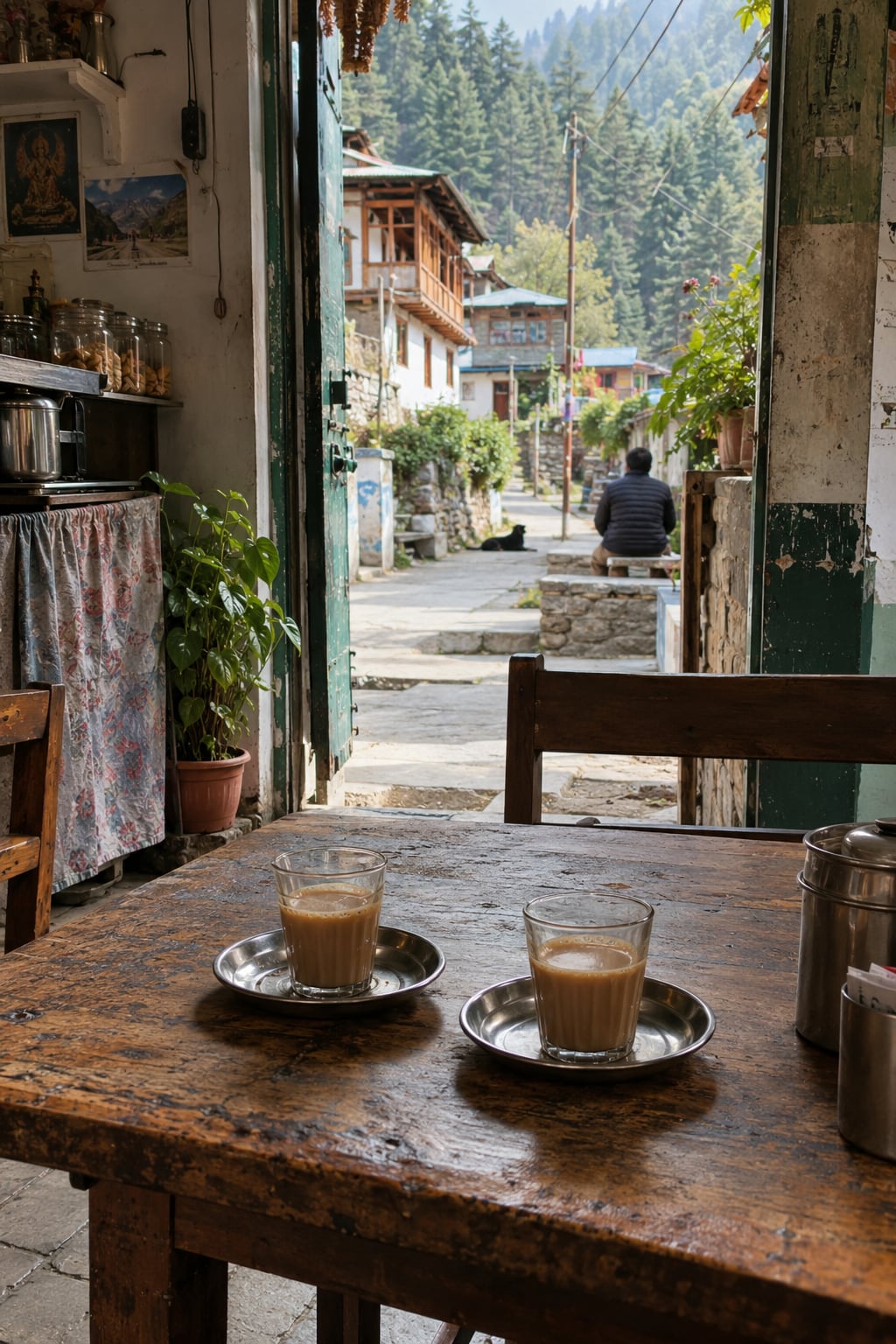
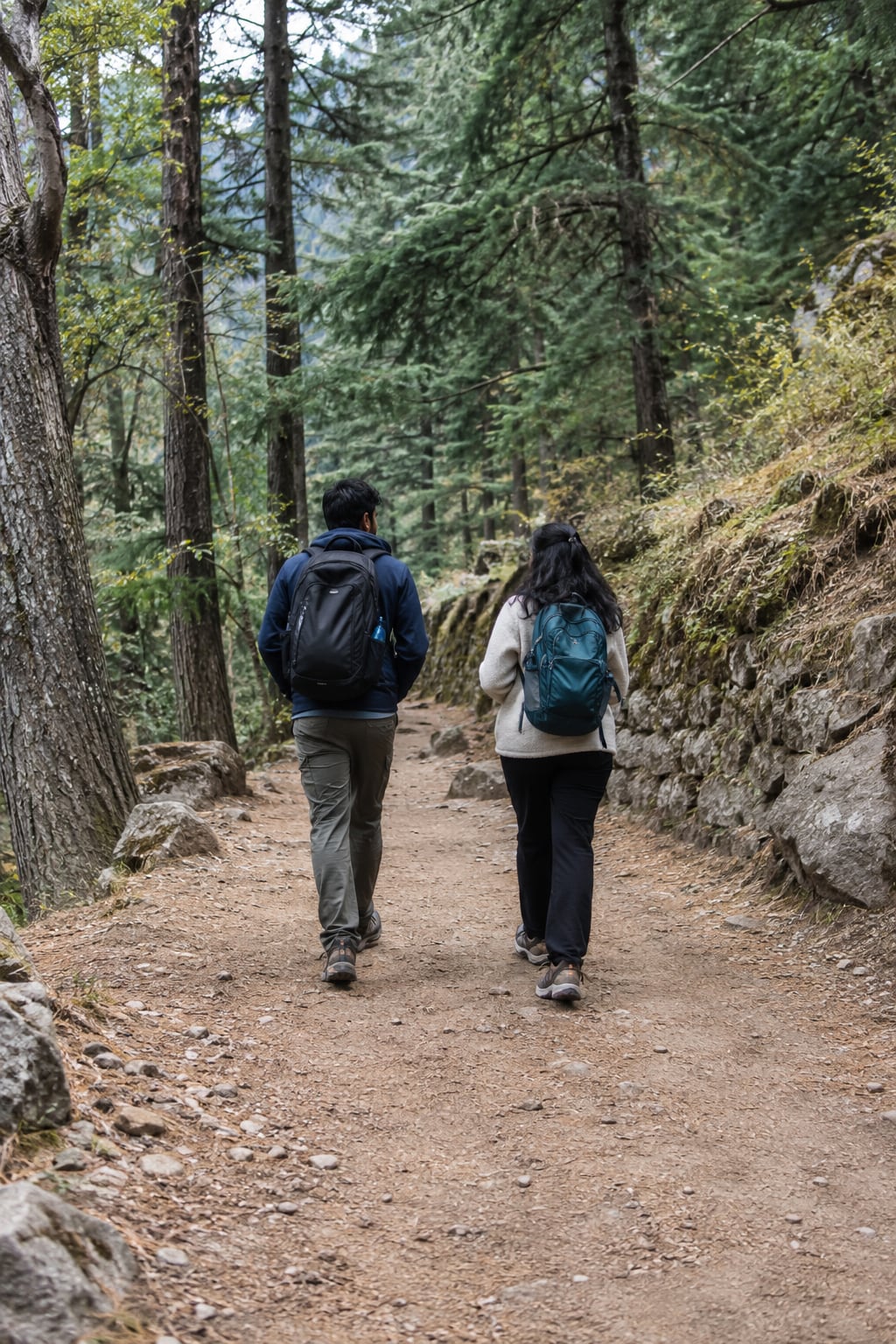
A walk towards Chalal can give the Kasol stay a different focus, if walking is something your group enjoys. Before adding it to the day, discuss the current bridge access, route and ground conditions with the team. Think about what you want from the outing: a gentle change of scene, time on foot, or a specific place you would like to see.
Useful questions are specific: how much walking is proposed, whether the approach includes uneven ground or steps, where the outing ends and how everyone returns. Explain any mobility needs and ask whether there is a shorter alternative. Someone who enjoys gentle village browsing may want a different plan from a companion who actively wants a longer walk; neither preference needs to dictate the entire stay.
If the outing suits your group, agree a meeting or turning point and leave room for a meal or a browse afterwards. If it does not, return to the village plans that first appealed to you. A place can be part of the conversation without becoming a compulsory stop, and a short stay often benefits from one clear choice rather than several unfinished possibilities.
Chapter 04
Visit Manikaran with attention
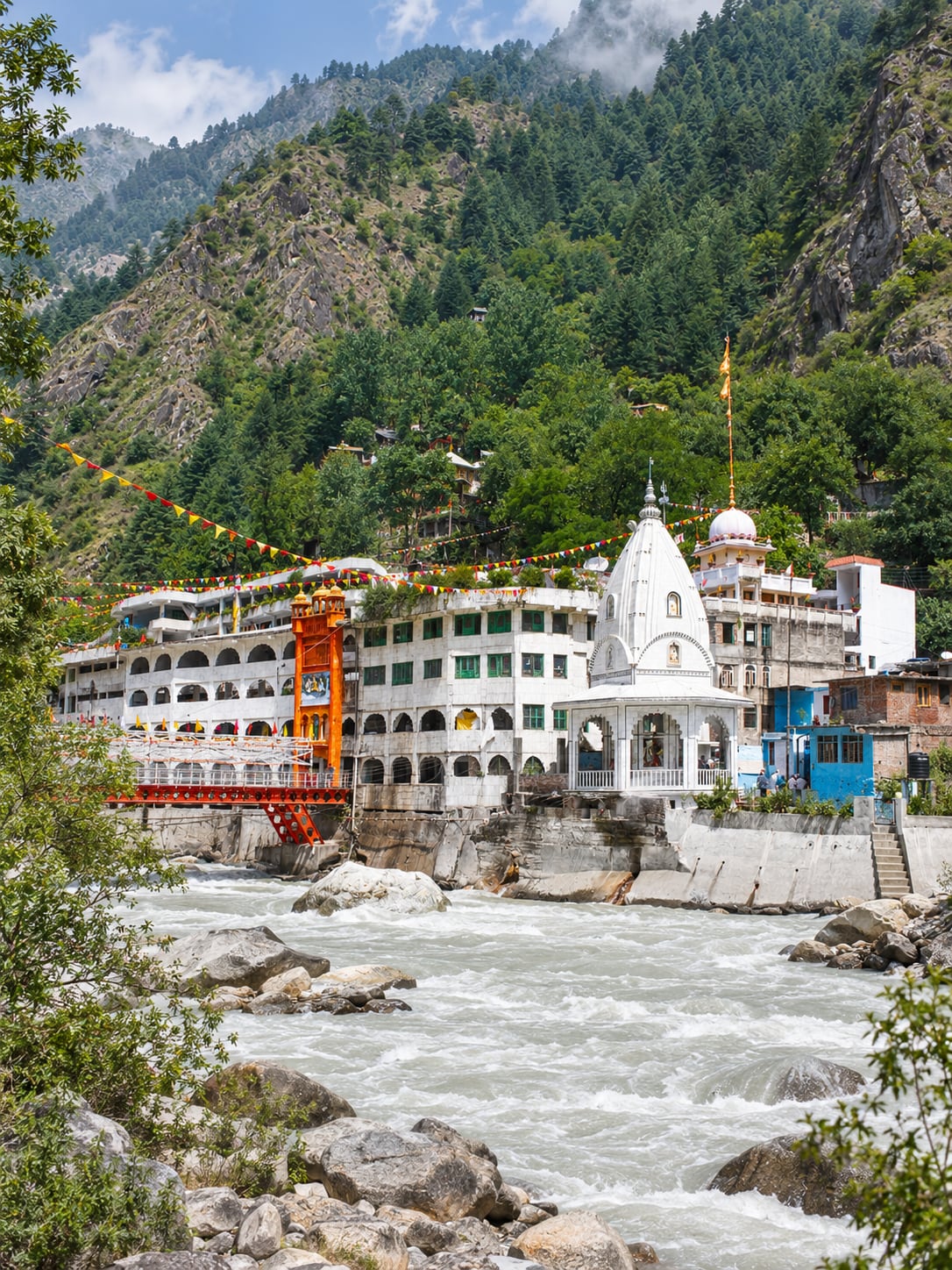
Manikaran brings a different focus to the Parvati Valley journey. Its gurdwara, wider religious setting and hot springs make it more than another scenic stop. Give the visit time for understanding where you are and how the places are being used. The people around you may be visiting for worship, travelling with family or following a routine that is independent of the sightseeing programme.
Take guidance from the arrangements on site about entry, dress, conduct and photography. Watch where visitors are being directed, and ask when something is unclear instead of assuming that practices are identical across every religious place. Keep cameras secondary to people's privacy, especially around worship and shared spaces. Leave room for people to pass and avoid gathering the whole party in an entrance while deciding where to go.
The hot springs add another dimension to Manikaran's setting. Follow on-site directions around them, and ask what the proposed visit includes before making plans for bathing, a meal or other activities. Let the time here be shaped by the place and its current arrangements. Even a modest visit can bring a different focus to a journey otherwise centred on scenery, shopping and village walks.
Chapter 05
Enjoy the river from a suitable place
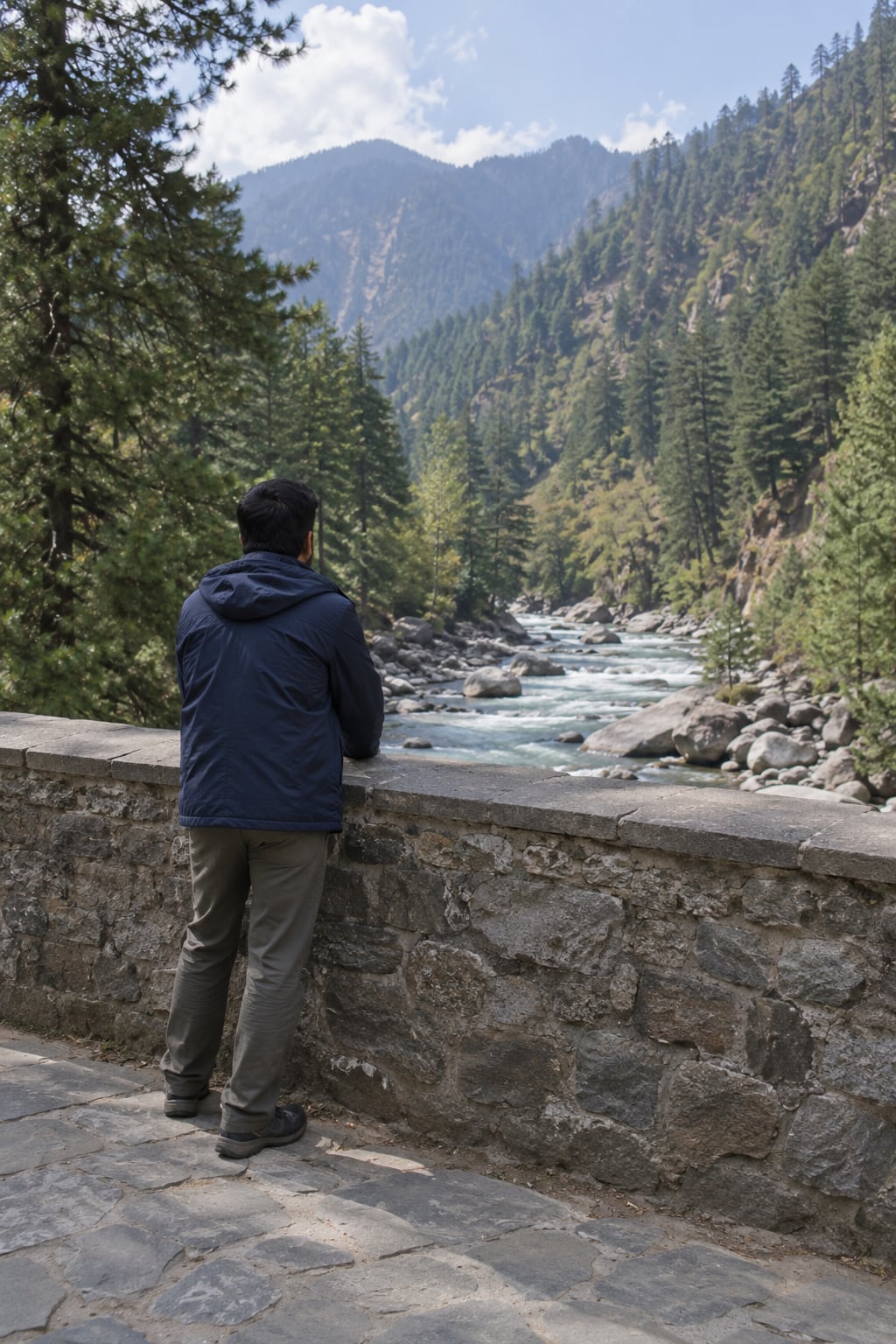
The Parvati gives Kasol much of its appeal, yet a riverside visit does not have to mean reaching the water's edge. Choose designated paths, established viewpoints or suitable places to sit, guided by current local advice. A view can be part of a café pause or a short outing without adding an improvised route over rocks or down an unfamiliar bank.
A photograph cannot tell you the condition of an approach or establish that access is permitted. Still weather also says little about whether a particular river-edge spot is appropriate. Keep the river as the setting for the visit rather than a challenge to get closer. If the place you had imagined is unsuitable, ask for an established alternative instead of trying to find your own way down.
Care for the village surroundings in small, practical ways. Carry away your litter, keep noise considerate and ask before photographing people at close range. Give homes, shop entrances and working spaces the same room you would elsewhere. These habits help preserve the ordinary life that makes a place interesting, and leave you free to enjoy the visit without turning every pause into a photograph.
Chapter 06
Give the Kasol night a purpose
Our current Manali Kasol Volvo proposal allocates two hotel nights to Manali and one to Kasol, with a proposed Manikaran visit before the return journey. Read that sequence as a starting point for planning the whole trip. A single Kasol night can offer a change of setting, but the value of the stop depends on how the arrival, village time and onward arrangements fit together.
The overnight coach journeys add calendar time outside the advertised destination stay. Ask for the full departure and return dates alongside the three hotel nights, and confirm the accommodation and agreed sightseeing in the written quote. That makes it easier to arrange leave and onward plans without trying to infer the complete journey from a nights-and-days headline.
Finish your enquiry by explaining what would make Kasol worthwhile for you. You might prioritise village time, a suitable walk or a thoughtful visit to Manikaran. State that preference before requesting extra stops. If you are still deciding between staying in Manali and changing valleys, the route guide sets out the broader choices. Give Kasol a clear purpose, and its part in the journey becomes easier to plan.