TRAVEL BLOGS
What to pack for a Himachal holiday
Simple ideas for a more comfortable mountain journey.
Planning notes from Himraahi Holiday Packages. Destination-inspired imagery, created with AI.
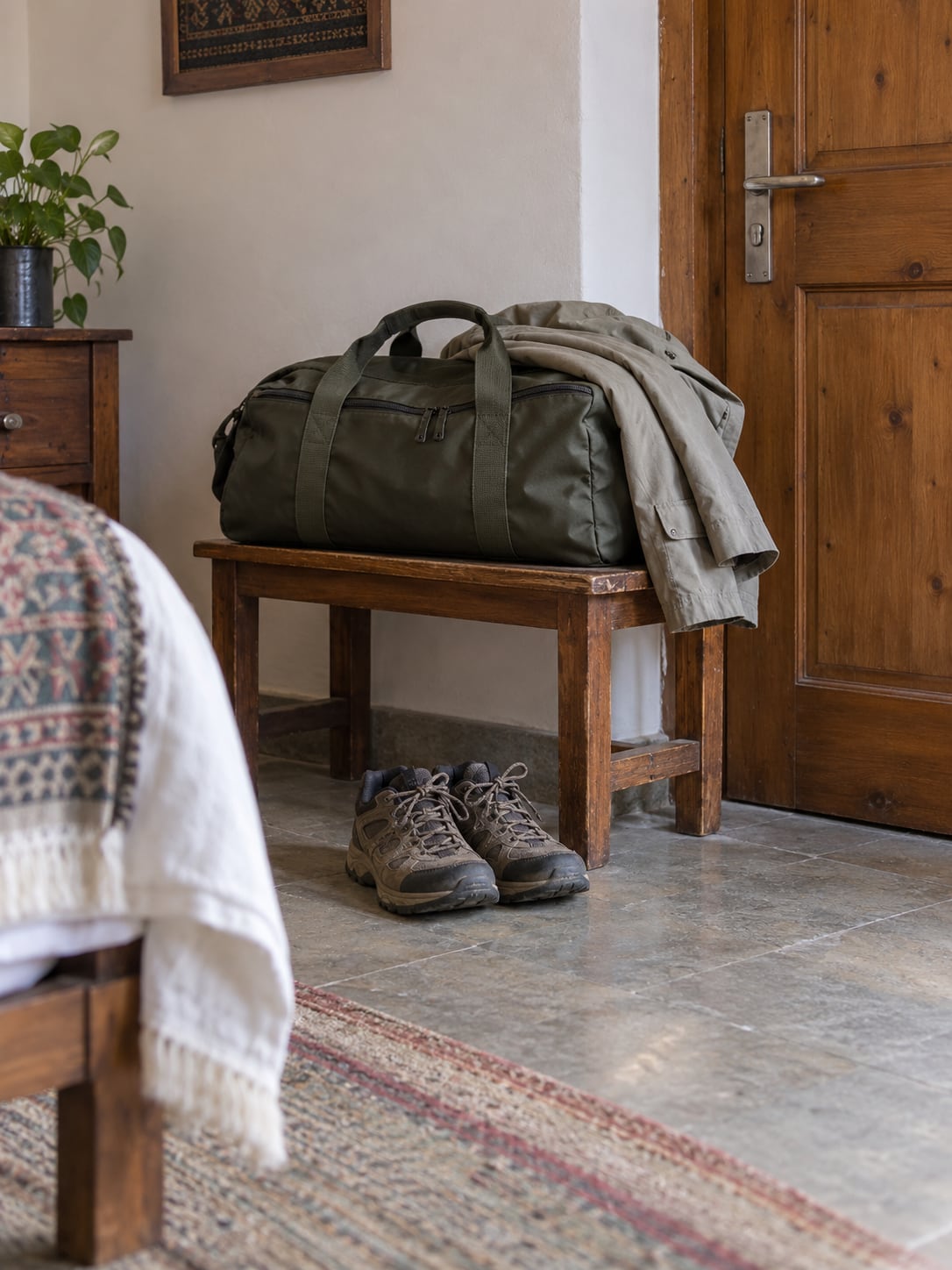
A useful holiday bag begins with the journey you have actually planned. Think about the town walks, the time spent travelling and the outings you have agreed, then choose things that can do more than one job. Familiar clothes and a bag you can organise easily often matter more than buying a fresh set of equipment.
For a town-based Himachal holiday, aim for a small, adaptable collection. Keep what you need during the journey close to hand, leave room to move things around, and make the final decisions with your itinerary and the latest forecast beside you.
Chapter 01
Start with the places you are going
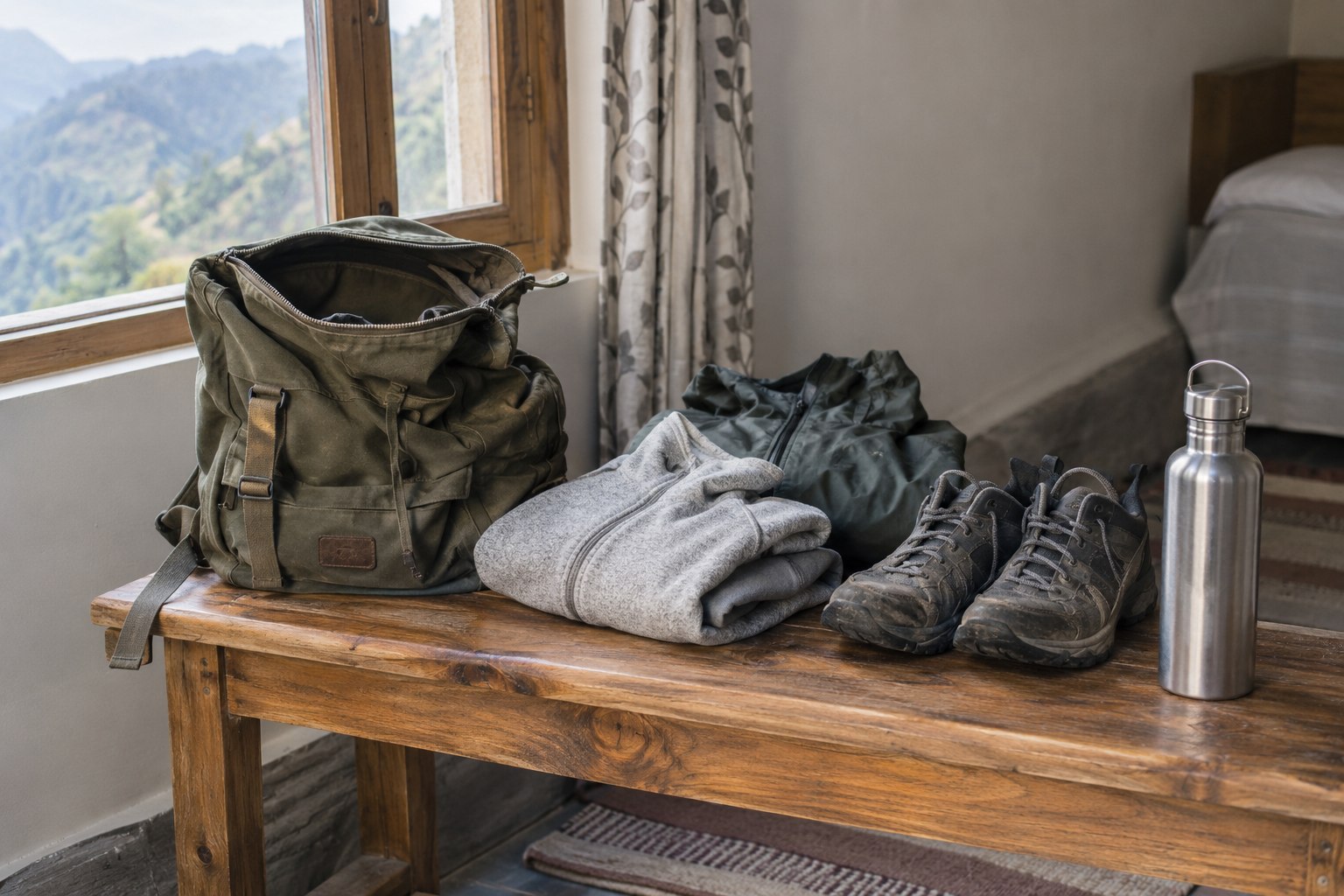
Write down your overnight stops and the outings you expect to take before opening the wardrobe. Clothing for a town walk and clothing for a separate excursion may need different thought, even within one holiday. Official Himachal Tourism guidance for Shimla and Manali makes room for warmer layers as conditions change. Use that as a reason to pack something adaptable, then let the season and your actual plans guide the choice.
Closer to departure, look at the IMD Meteorological Centre Shimla website for the relevant forecasts and warnings. It links district, tourism and highway information, which can help you look beyond the name of your main destination. Check when a forecast was issued and which dates it covers. An old screenshot is easy to mistake for useful information. Revisit the forecast before setting out and adjust the bag for the journey ahead.
Chapter 02
Build layers you can change
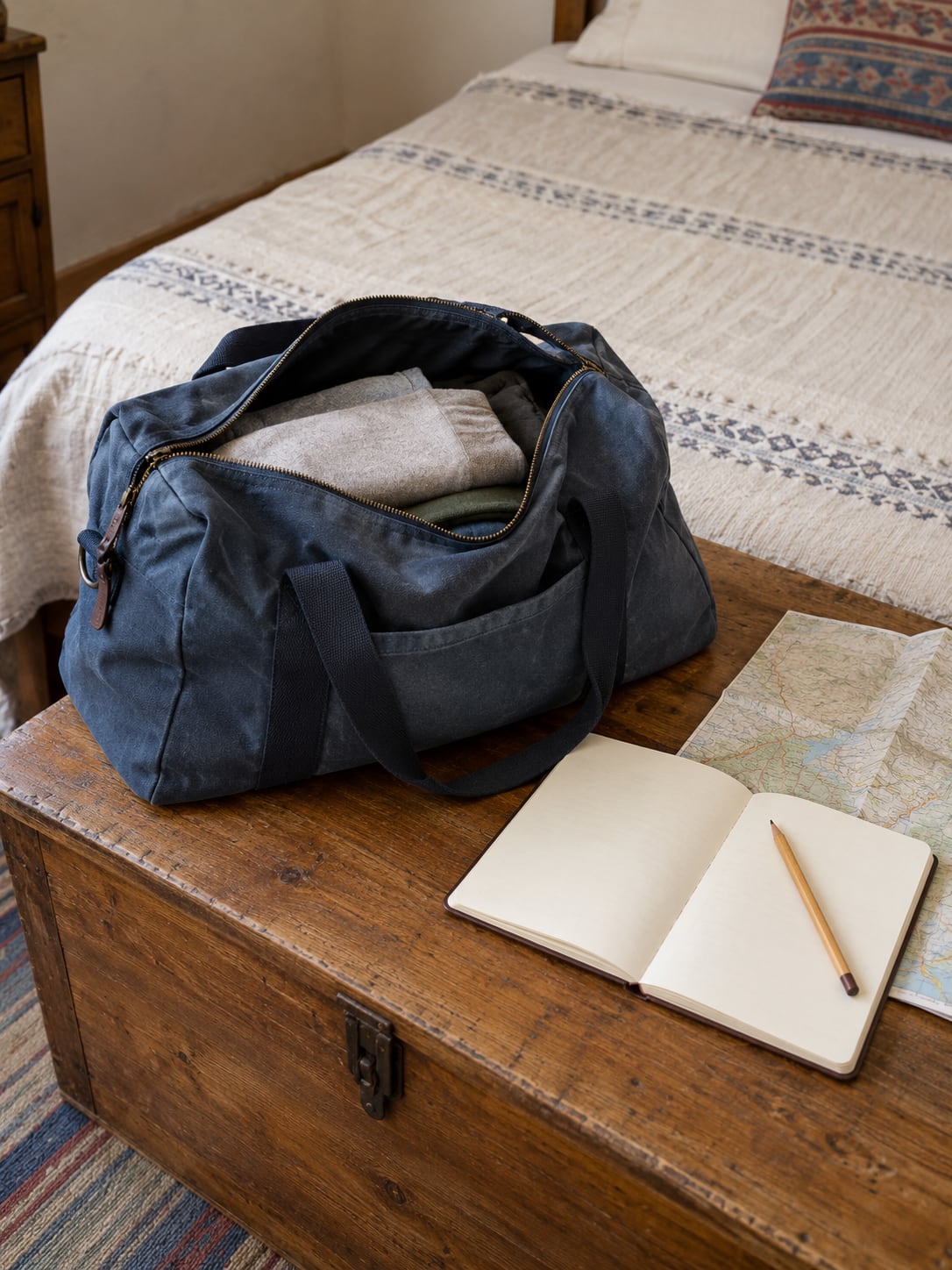
Start with comfortable clothes you already like wearing, add a removable warmer layer, and choose an outer layer for the conditions you expect. A light fleece or similar garment can be put on for a cool pause and packed away when you no longer need it. Think about how the pieces work together: a jacket is more useful when it fits comfortably over the layer beneath it and still lets you move.
Lay out a few combinations rather than an entirely different outfit for every part of the day. Choose pieces that can be worn again and allow for a change if something becomes wet or dirty. Keep a warmer layer accessible during transfers instead of burying it at the bottom. If your itinerary includes a specialist activity, ask about its equipment requirements separately; this everyday packing approach is intended for town visits and ordinary sightseeing.
Chapter 03
Keep the day's essentials together
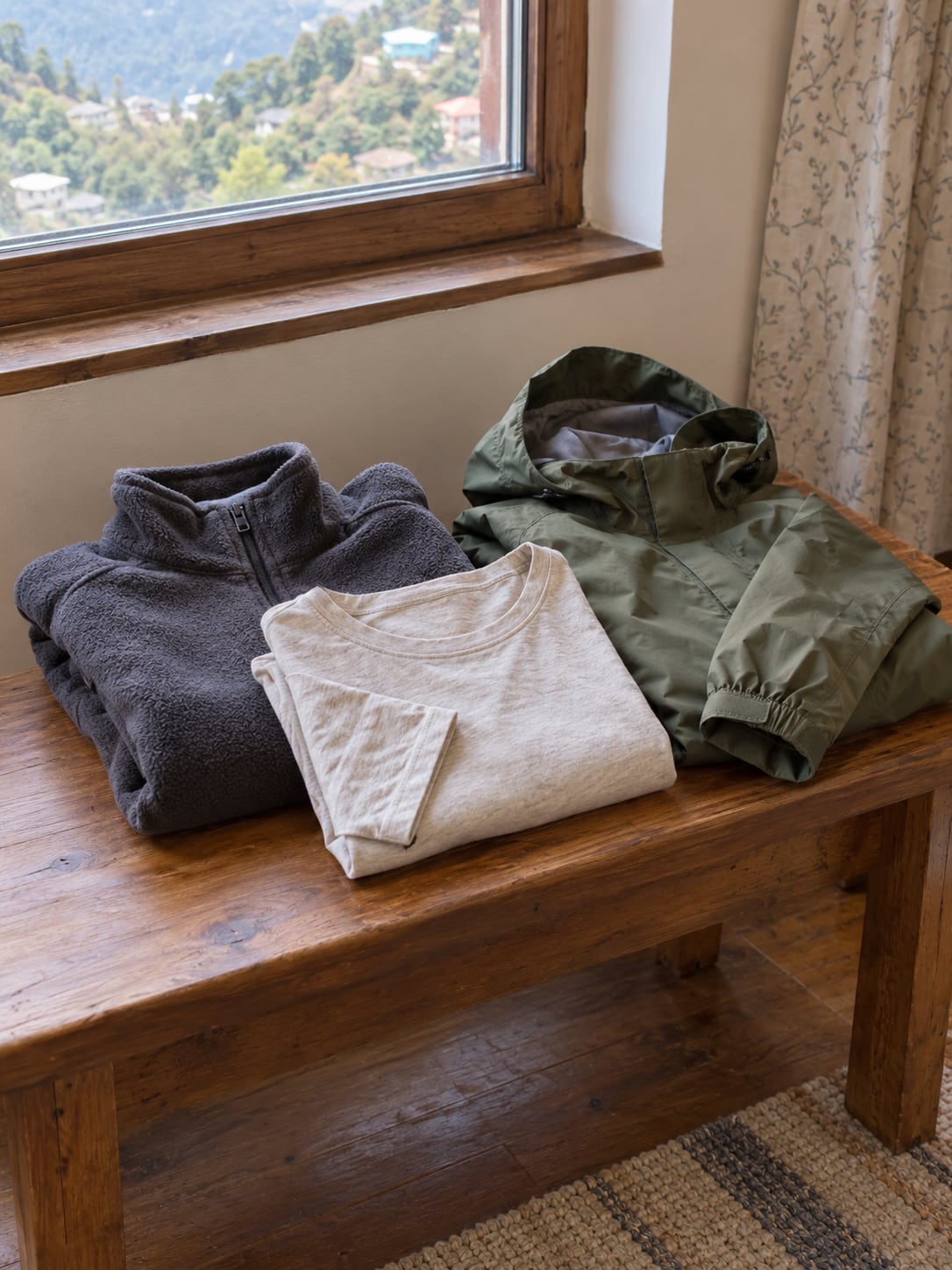
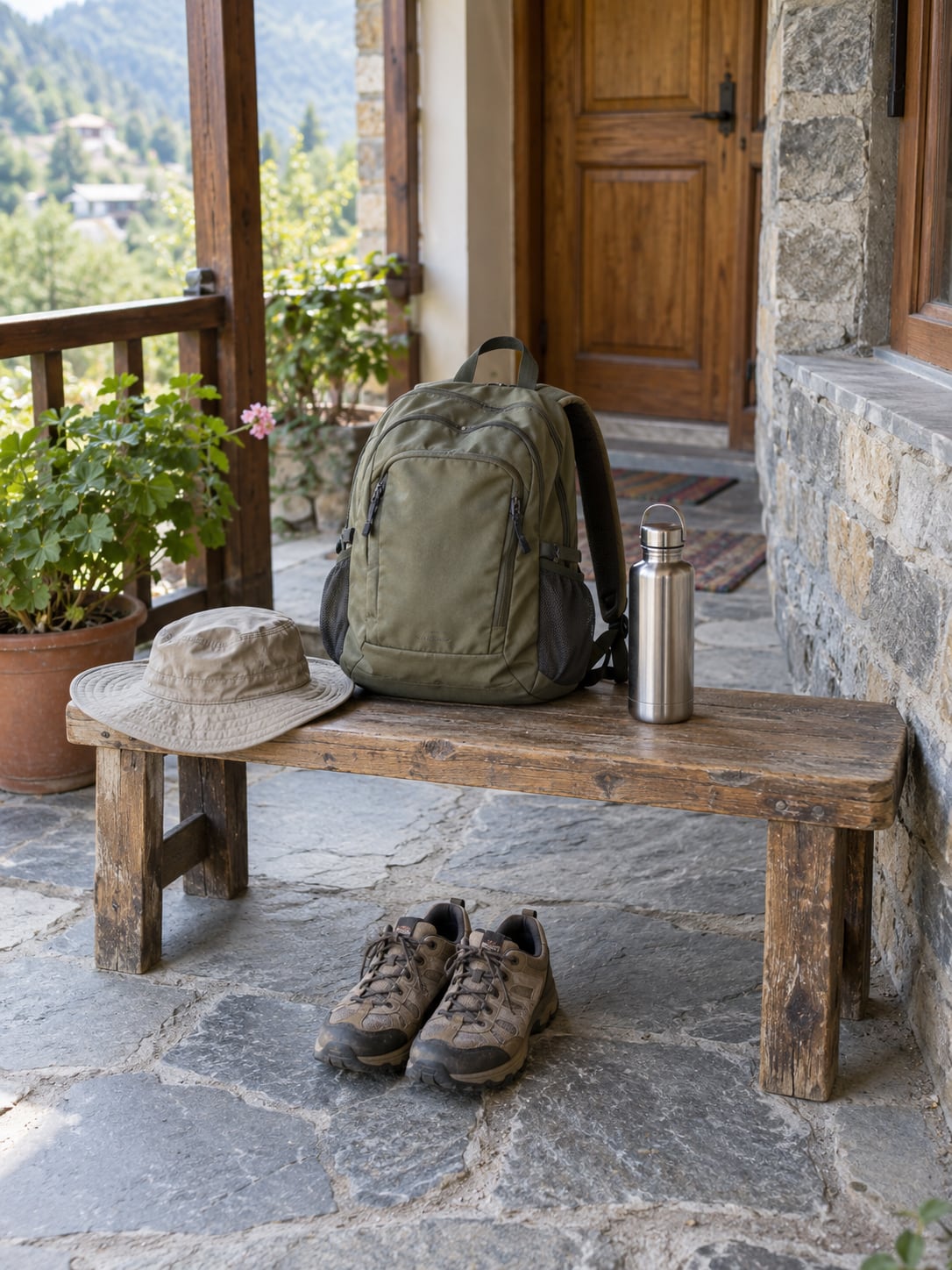
Choose familiar walking shoes that feel comfortable with the socks you plan to wear. Try the combination before leaving, and pack spare socks where you can find them. A small day bag can hold a removable layer, a reusable bottle and the few things you expect to need during an outing. Put frequently used items in an accessible pocket so a short stop does not become a search through the whole bag.
Give the packed day bag a trial at home. Walk around with it, adjust the straps and remove anything you are carrying only because there is space. A lighter, better-organised bag is easier to manage when browsing, sitting down or moving between a vehicle and your accommodation. Keep the footwear choice tied to the agreed plan, and ask about steps, surfaces or any particular excursion requirements when those details are unclear.
Chapter 04
Pack separately for the coach journey
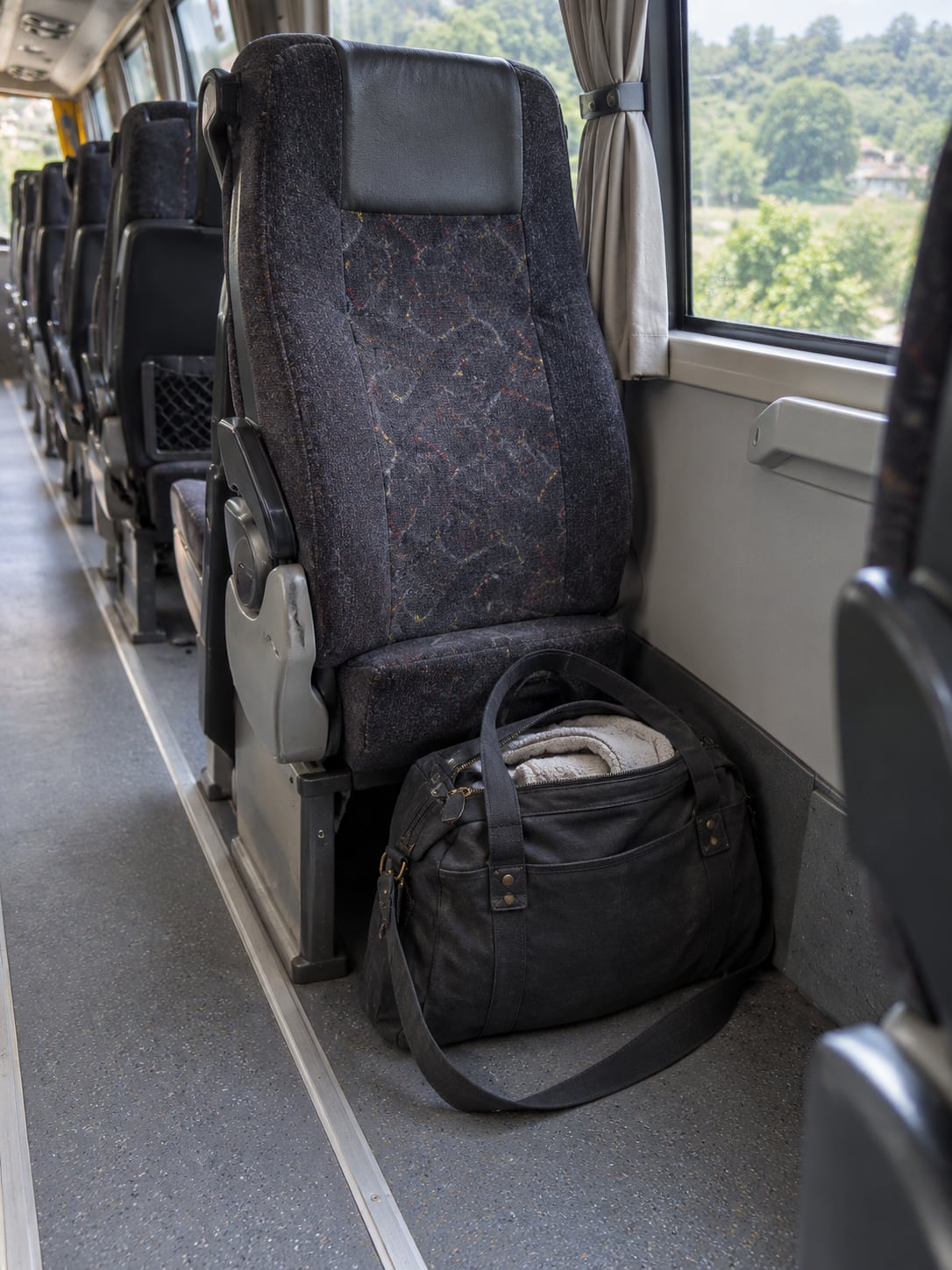
An overnight coach journey has its own needs before you reach your hotel. Himraahi's Manali Volvo proposal, for example, includes three hotel nights, with overnight travel additional to that stay. Set aside a small accessible bag for that part of the trip. Your travel information, a removable warm layer, charging equipment and personal essentials should be reachable without opening the main case. Pack it while imagining the journey from boarding to collecting your luggage.
Check the operator's boarding arrangements, baggage allowance and storage before deciding how to divide your things. Keep items you may need during the journey with you, within the permitted allowance. Ask about any facility you are relying on, including charging or provided bedding, rather than packing on the assumption that it will be available. Leave enough room to put the warm layer away again when you arrive.
Chapter 05
Give small things a home
Keep the written itinerary, boarding information, accommodation details and useful contact numbers together. Save an offline copy of the essential information so you can retrieve it without depending on a connection. A clearly named folder on your phone and a simple paper backup can be easier to use than a long trail of messages. Make sure another person in your group knows where the shared travel details are kept.
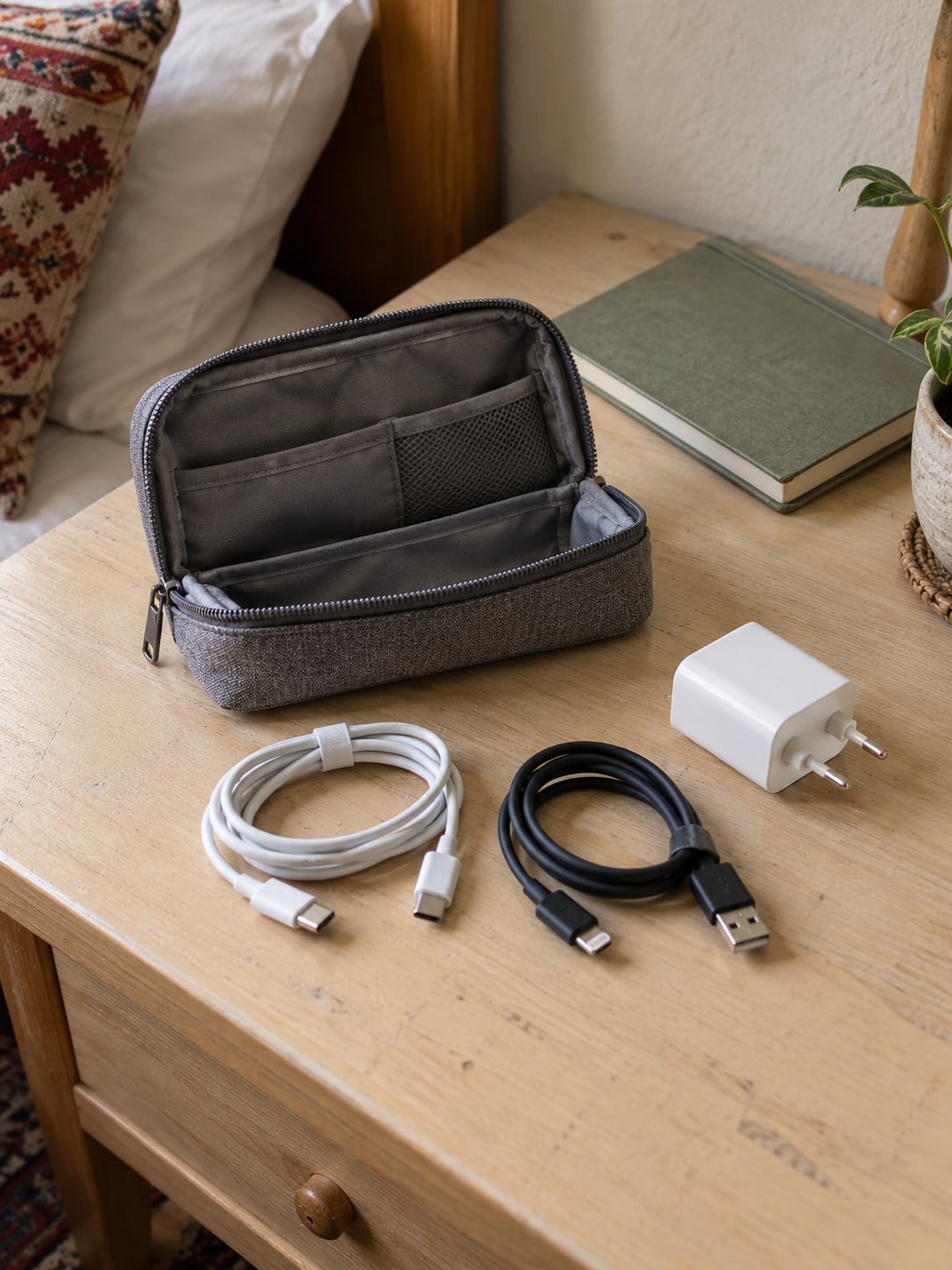
Put charging cables and their matching plugs in one small pouch, and test that you have the right combination for the devices you are taking. Organise toiletries and the personal items you use routinely in the same deliberate way. For personal medicines, follow the advice and arrangements already appropriate to you; packing is not the moment to improvise a new treatment. The aim is to find a needed item quickly, with everything else still in place.
Chapter 06
Check the bag against the journey
Before closing the case, read the written itinerary once more. Check the full departure and return dates, the boarding point, the accommodation plan and the outings you have agreed. Revisit the latest forecast or advisory for your route. Look at which arrangements are included and which optional activities still need a decision. If a missing detail could change what you pack, ask about it while there is time to make a useful adjustment.
Finish by removing duplicates and checking for the small omissions: the cable without its plug, the layer left on a chair, or travel information saved somewhere you cannot readily find. Keep a little spare room for the everyday reshuffling that happens on a holiday. Once the bag matches the plan, you can leave the packing list behind and give your attention to the journey.